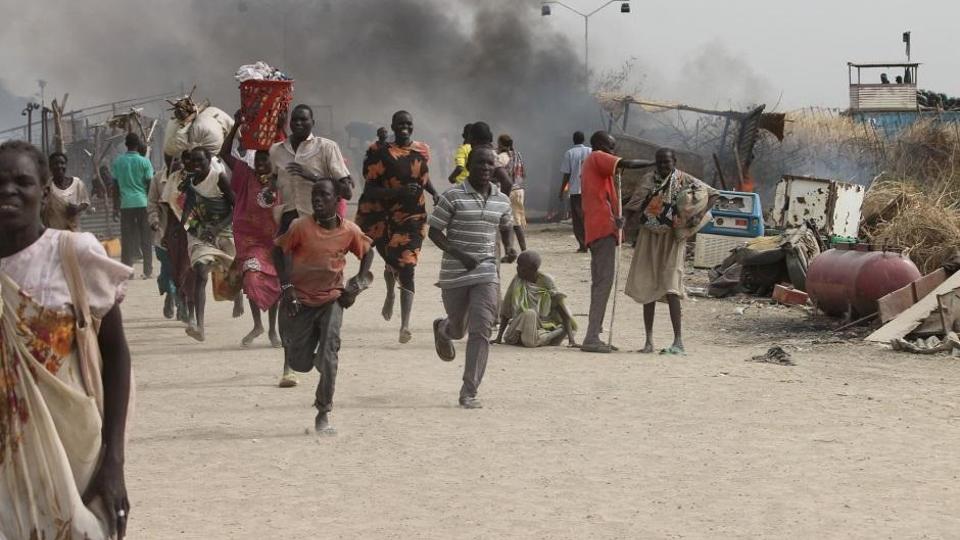
Communal clashes refer to violent conflicts between groups within or between communities, often driven by disputes over land, resources, identity, or local authority. In Nigeria, communal violence is a recurring and widespread form of insecurity, affecting both rural and peri-urban areas and contributing significantly to loss of lives, displacement, and destruction of livelihoods.
Communal clashes typically involve groups defined along ethnic, religious, or livelihood lines—such as farmers and pastoralists, neighboring villages, or competing local factions. These conflicts may begin as small disputes but can escalate rapidly into large-scale violence, involving the use of firearms, machetes, and arson.
Unlike organized insurgencies, communal clashes are often localized but can persist over long periods, with cycles of retaliation and revenge attacks reinforcing instability.
Communal clashes in Nigeria are rooted in longstanding structural challenges, including resource competition, demographic pressure, and governance gaps. Addressing them requires a combination of conflict resolution mechanisms, sustainable land management, inclusive governance, and climate adaptation strategies. For Trackline, continuous data-driven monitoring is essential to understanding patterns, mitigating risks, and informing timely interventions.