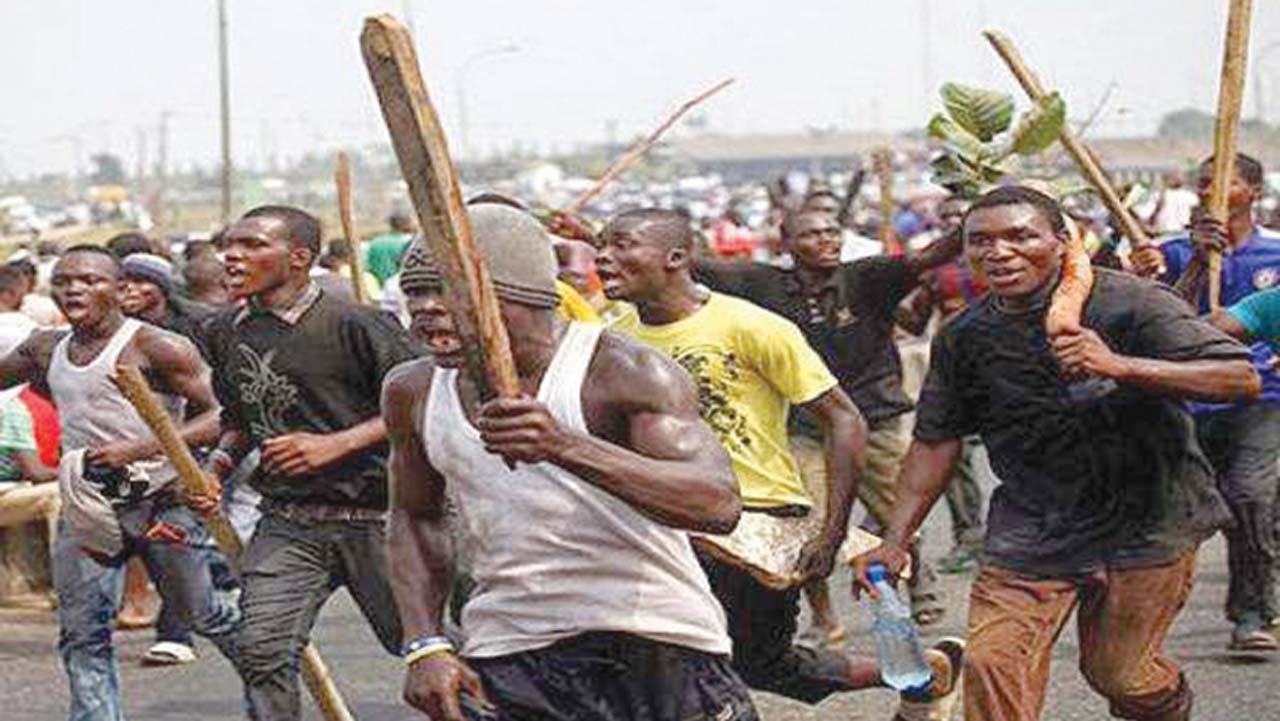
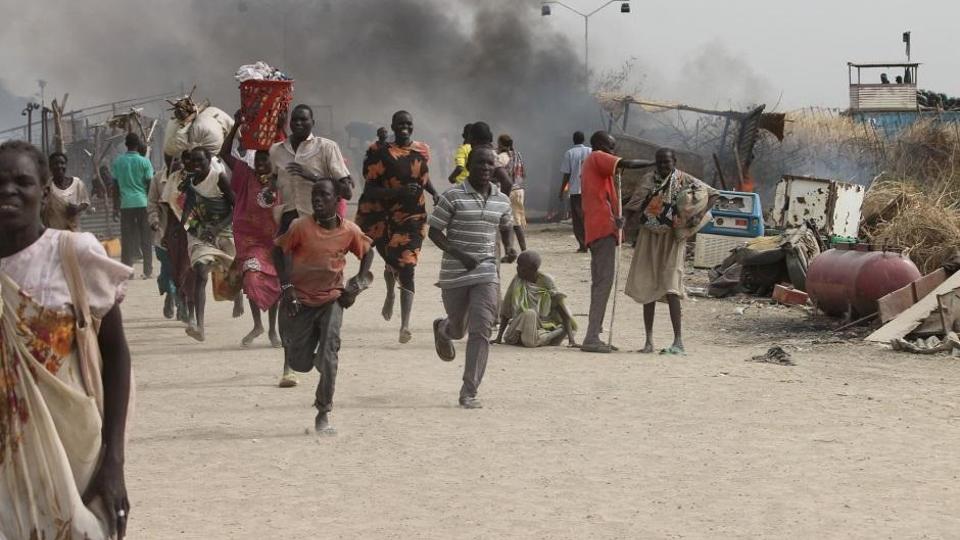
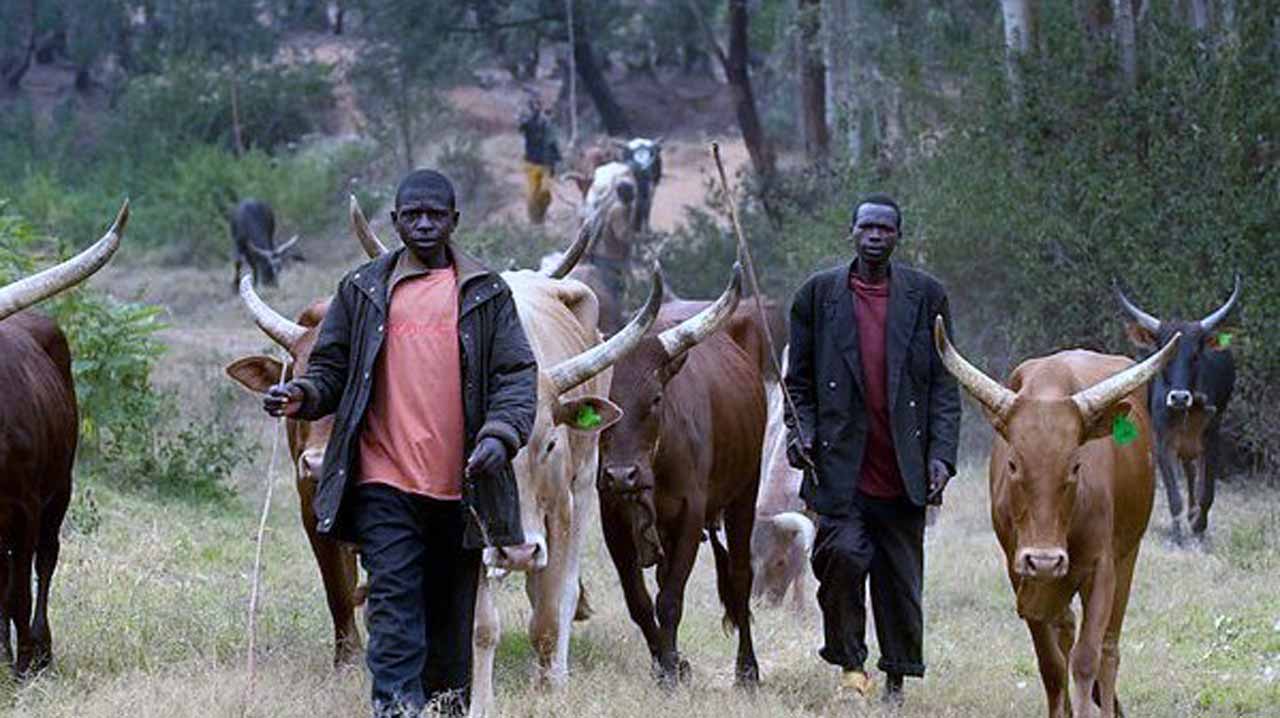
Farmer–herder clashes are a major form of communal violence in Nigeria, involving conflicts between sedentary farming communities and nomadic or semi-nomadic pastoralists. These clashes are primarily driven by competition over land, water, and grazing resources, and have intensified in recent decades due to environmental, demographic, and governance pressures.
These conflicts typically occur when grazing livestock encroach on farmlands, leading to crop damage and disputes between herders and farmers. What often begins as a localized disagreement can quickly escalate into violent confrontations, involving weapons such as firearms and machetes.
Farmer–herder clashes are often cyclical, with retaliatory attacks and counterattacks reinforcing prolonged instability. While traditionally seasonal and localized, the violence has become more frequent, widespread, and lethal.
Historically, pastoralist migration routes (transhumance) allowed herders to move livestock across regions without significant conflict. However, over time, population growth, expansion of agricultural land, and the breakdown of traditional grazing corridors have increased friction between farmers and herders.
From the early 2000s, these tensions intensified, particularly in the Middle Belt and parts of northern Nigeria. The conflict has since evolved from resource-based disputes into broader security challenges, sometimes intersecting with armed banditry and organized violence.