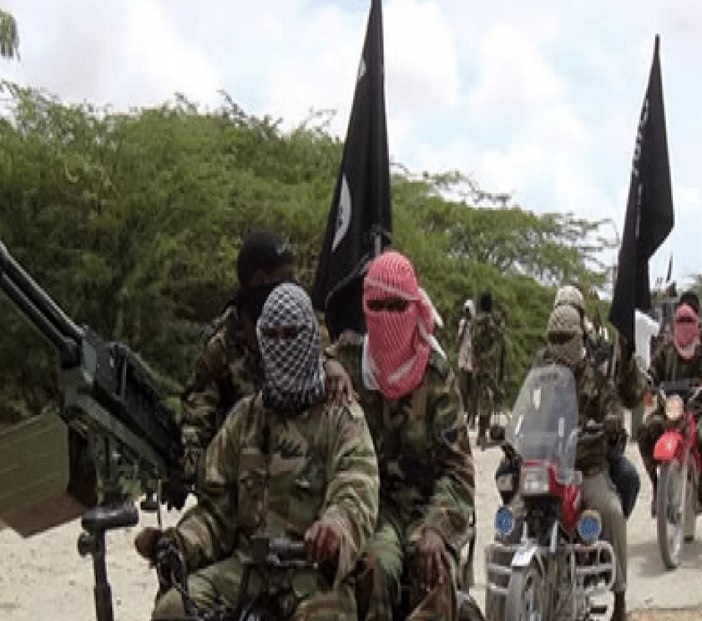
The insurgency led by Boko Haram and its offshoot, Islamic State West Africa Province, represents one of the most significant and protracted security crises in Nigeria. Originating in the North-East, the conflict has evolved into a complex insurgency marked by terrorism, territorial control, and asymmetric warfare, with far-reaching humanitarian and regional implications.
Boko Haram was founded in the early 2000s in Maiduguri by Mohammed Yusuf as a religious movement opposing Western-style education and governance. Initially non-violent, the group became radicalized following clashes with security forces and the extrajudicial killing of its leader in 2009.
Under the leadership of Abubakar Shekau, the group transformed into a violent insurgency, launching widespread attacks on civilians, government institutions, and security forces.
In 2015, Boko Haram pledged allegiance to Islamic State, leading to internal divisions and the emergence of ISWAP. While Boko Haram (JAS faction) became known for extreme violence against civilians, ISWAP adopted a more structured approach, focusing on military targets and governance in controlled territories.